
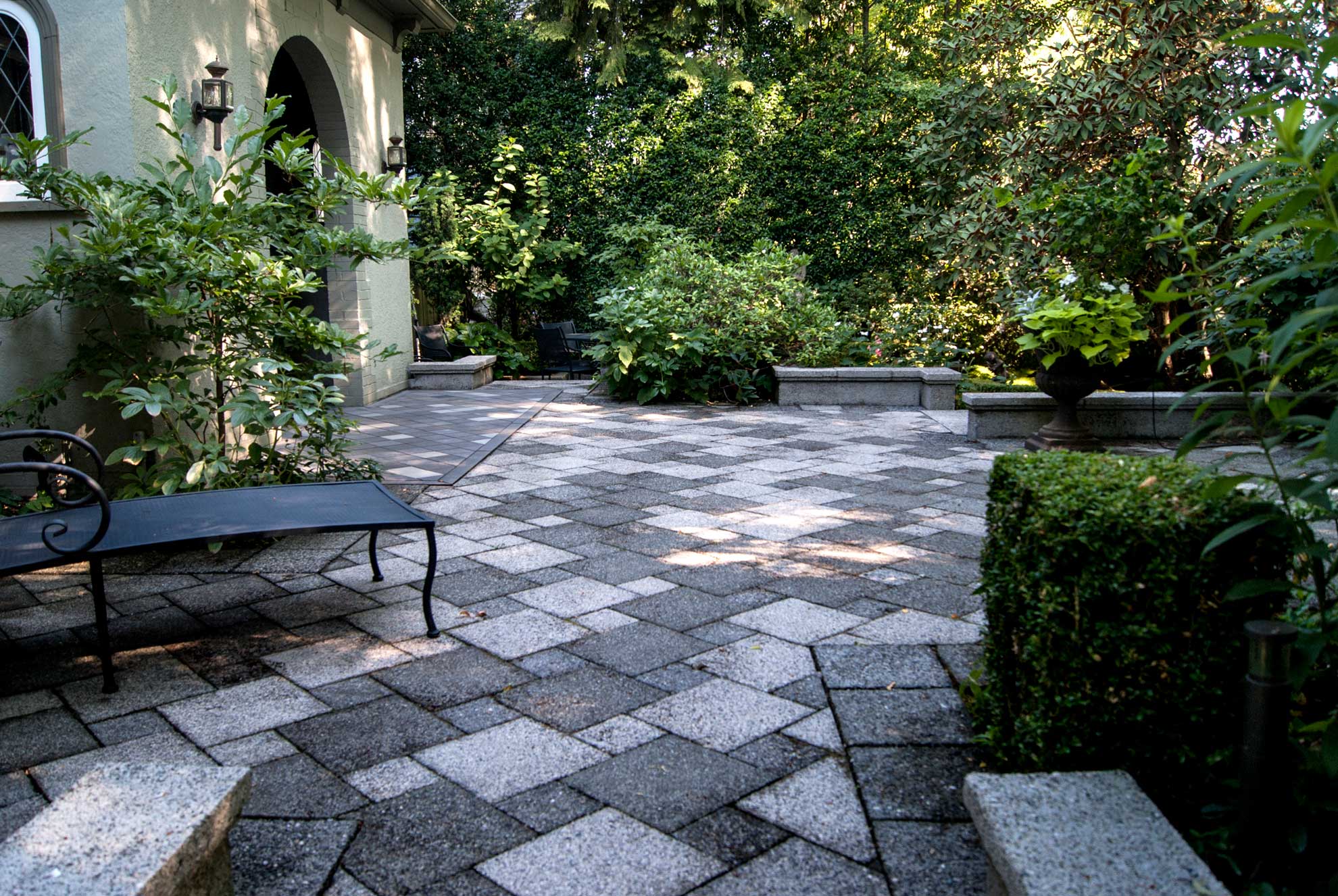
Compatibility
A well-designed landscape should be fundamentally compatible with the site and its surroundings. This core design principle applies to virtually every landscape project and guides the design process from the very beginning. Compatibility touches all aspects of a project: spatial planning, architectural cohesion, material selection, construction methods, and the lived experience of the space.
A well-designed landscape should be fundamentally compatible with the site and its surroundings.
Before we can make informed choices, we need a broad understanding of the site and its context. Key considerations include: the setting (rural, urban, suburban); the architectural style and value of the home; the characteristics of neighbouring properties; the local and micro-climate (including sun exposure); and most importantly, the needs of the people who will be using and inhabiting the space.
Quality Alignment
In our view, the landscape should generally reflect the quality and detailing of the building it accompanies. One of the most common violations of this principle is the case of a luxury custom home—with carefully planned interiors and high-quality finishes—paired with a poorly designed or underwhelming landscape.
…the landscape should generally reflect the quality and detailing of the building it accompanies.
Conversely, over-investing in landscaping on a simple, modest property can give the impression of trying too hard or visually competing with the home. A well-designed landscape should complement the architecture, and if anything, feel slightly understated.
Examples:
- A modest suburban home should feature a simple, functional, well-maintained landscape rather than an abundance of costly custom features.
- A luxury home with rich architectural detailing should be accompanied by a thoughtfully crafted landscape with finer detailing and additional features.
Design Style
The style of the landscape should also complement the architectural style of the home. This is achieved through spatial organization, material selection, planting style, colour palette, and other design choices.
The style of the landscape should complement the architectural style of the home.
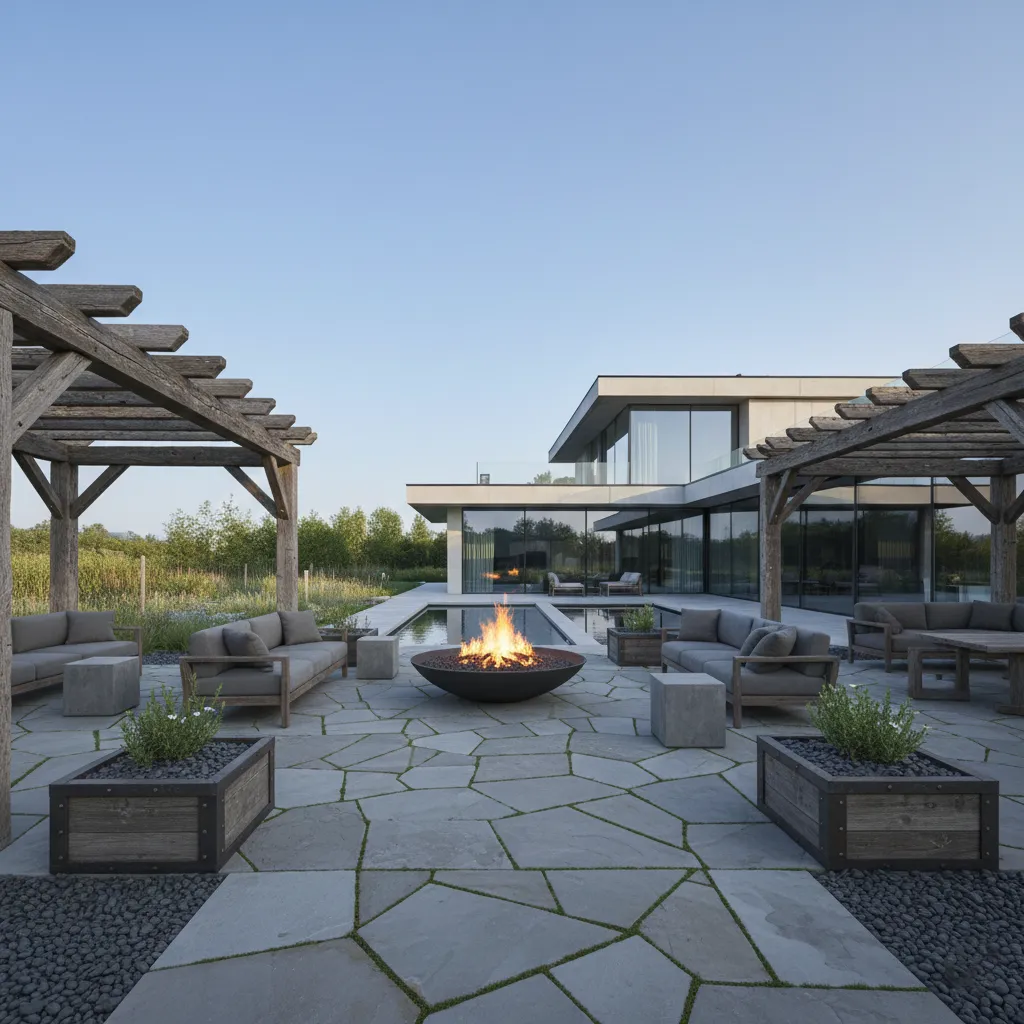
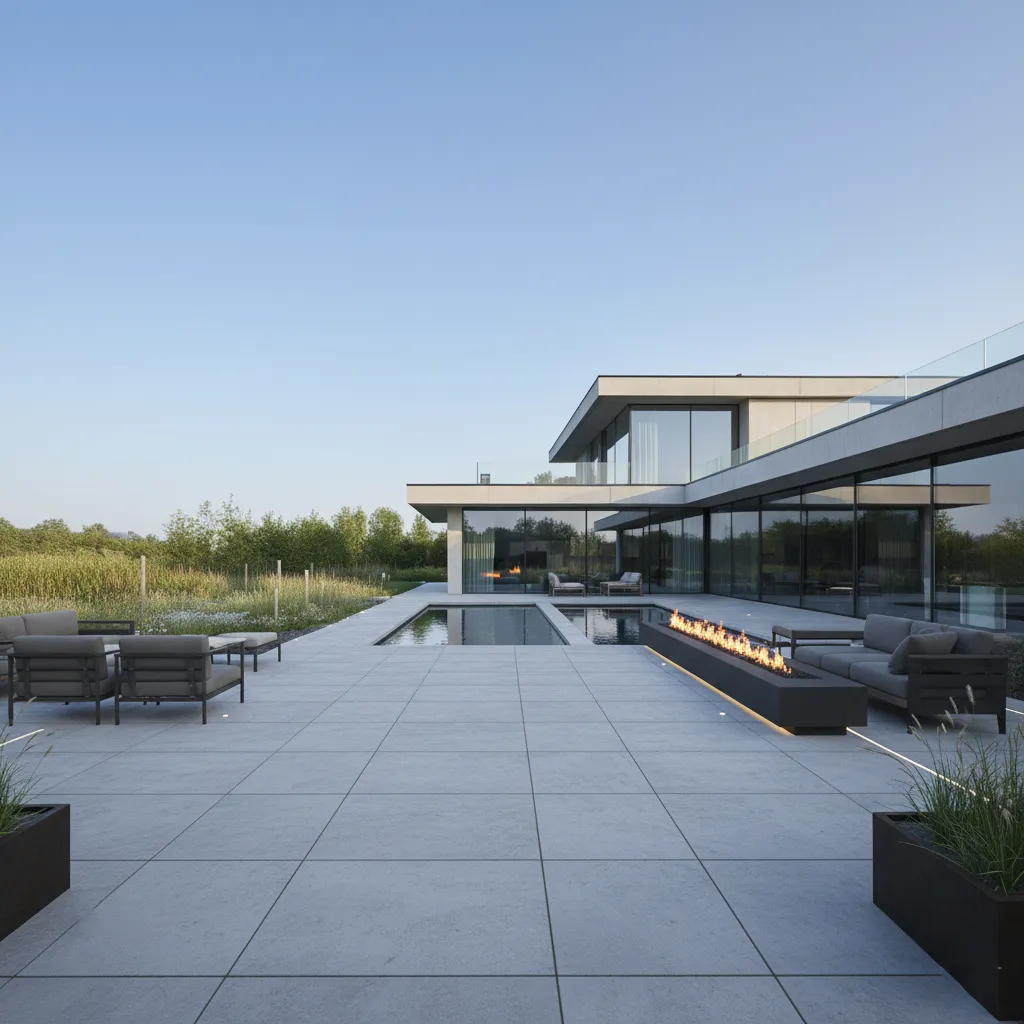
For example, you wouldn’t pair a minimalist contemporary home with an ornate Italian Renaissance garden. Likewise, hyper-modern landscape elements may feel out of place around a rustic chalet-style home. When architectural and landscape styles align, the property feels cohesive and intentional.
Examples:
- A contemporary urban home: clean-lined paving, a neutral palette, and bold mass plantings.
- A cottage or lakefront home: natural stone and wood, softer edges, and a more relaxed planting style.
The images below help illustrate this point by showing a hypothetical contemporary home with two different landscape treatments. These are AI-generated and not without flaws, but they still offer a useful visual reference.
Materials & Craftsmanship
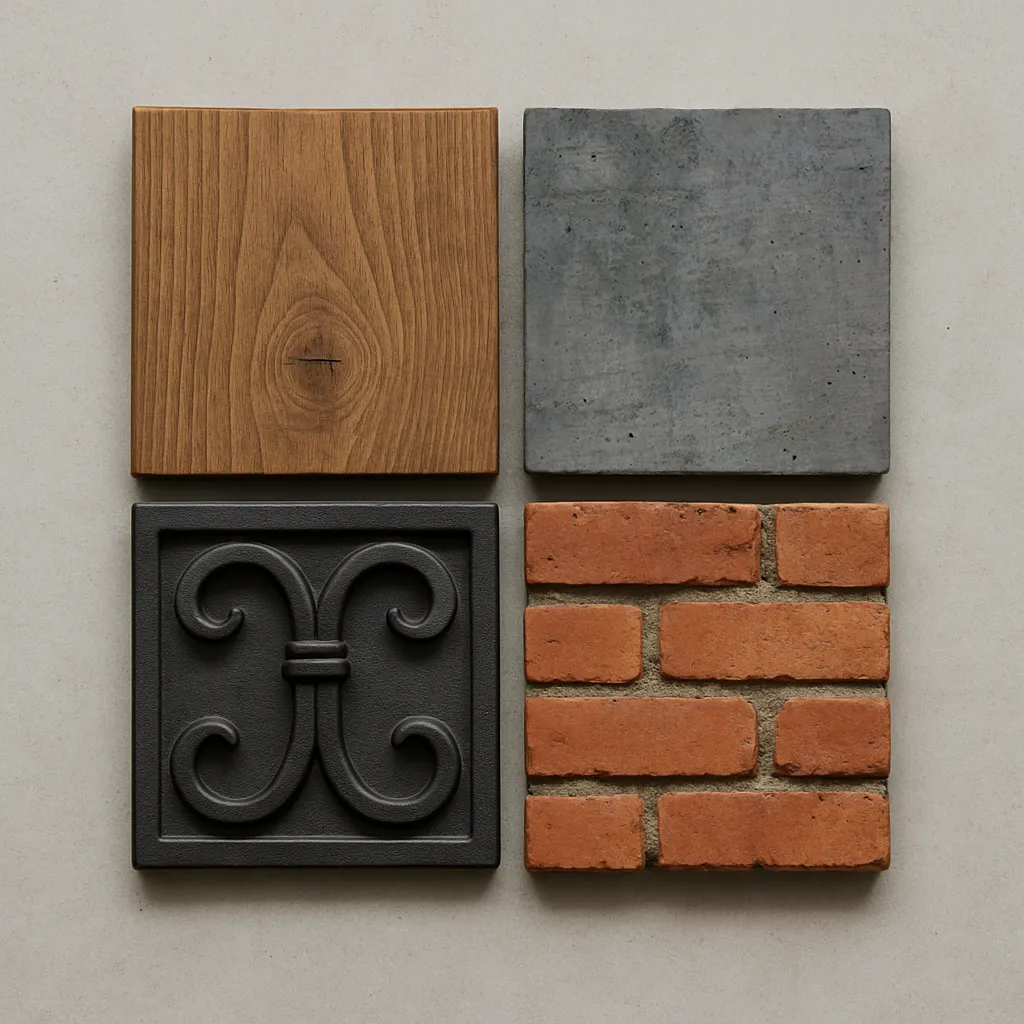
Material selection plays a major role in whether a landscape feels appropriate to its context. For example, the ideal retaining wall material varies dramatically depending on the architectural setting: a contemporary urban home may call for smooth architectural concrete, while a rustic mountain chalet is better suited to natural granite or basalt. On a modest suburban lot, well-detailed lumber or a suitable modular block system may be the most fitting choice. Thoughtful material pairing ensures the landscape feels coherent, intentional, and aligned with its surroundings.
Good workmanship is essential to ensuring design intent is reflected in the finished landscape.
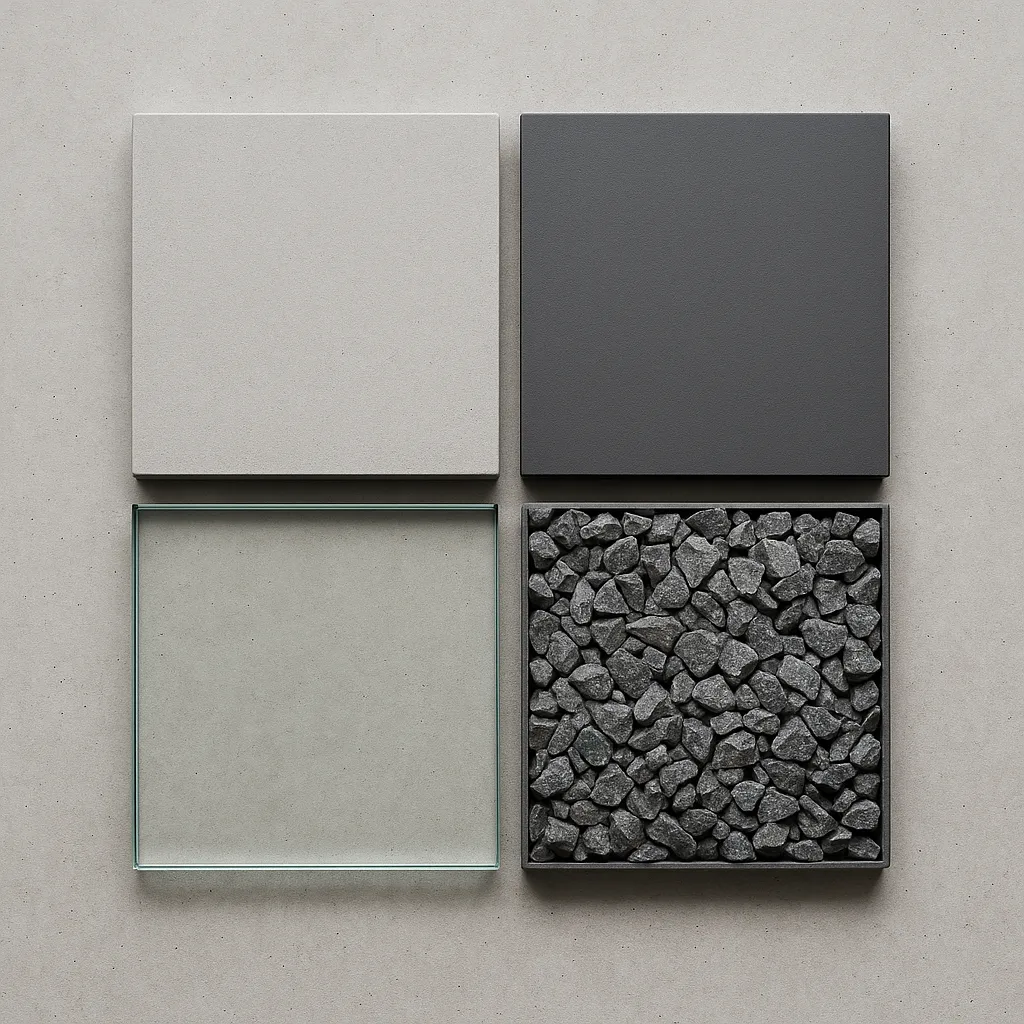
We often look to the building’s own material palette—glass and concrete, wood and stone, bold or muted tones—to inform material choices in the landscape. Repetition of materials and colours strengthens cohesion and creates visual harmony.
Finally, craftsmanship matters. Even the best design can be compromised by poor installation. Good workmanship is essential to ensuring design intent is reflected in the finished landscape.
Below are two hypothetical material palettes. Even without additional context, we can already start to imagine the types of landscapes and architectural styles these materials would complement.
Clients & Use
Custom landscapes are designed around the needs and lifestyle of the people who will inhabit the space—except in cases such as pre-sale improvements or spec builds. Even then, we can make educated assumptions based on the home and its market.
Key considerations include:
• Age and mobility of occupants
• Children and pets
• Hobbies and lifestyle (gardening, entertaining, recreation)
• Maintenance requirements and who will carry them out
A beautiful design still fails if it doesn’t function well for its users.
Site Conditions
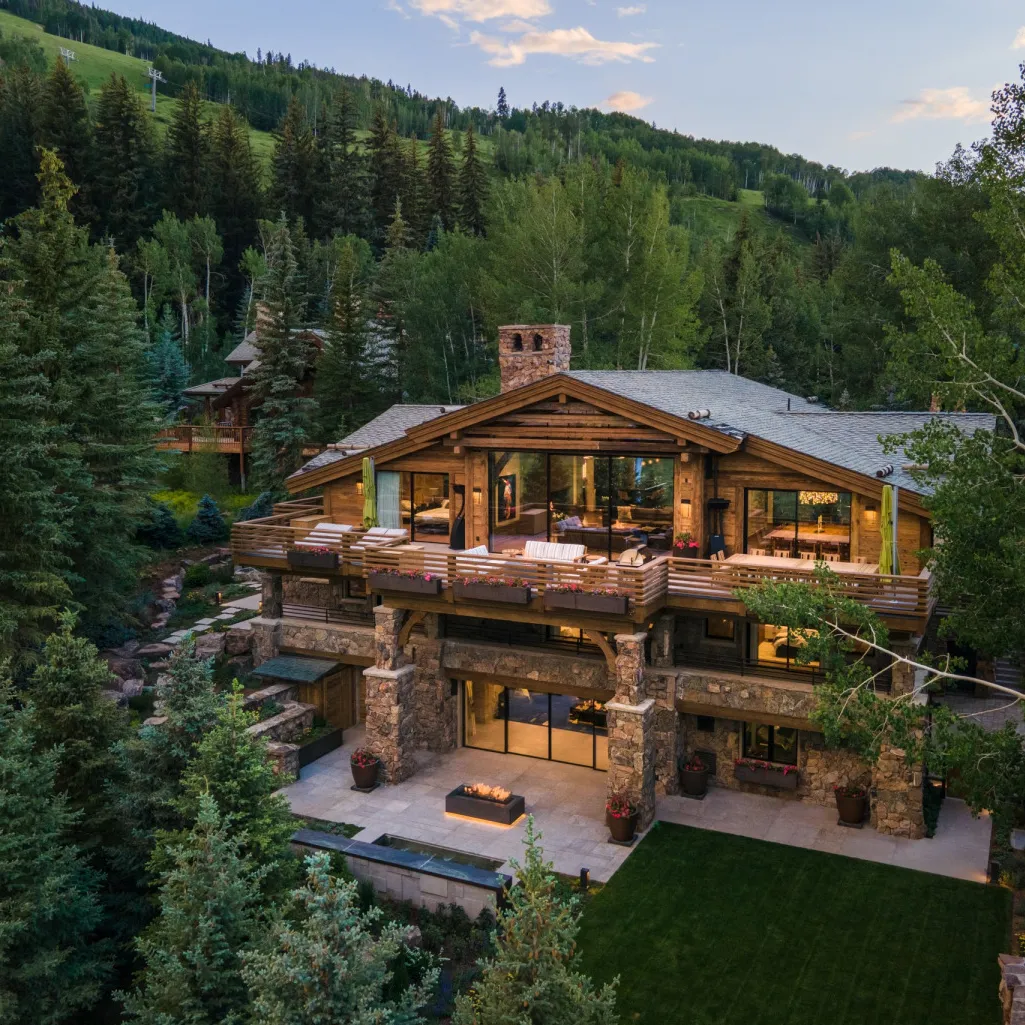
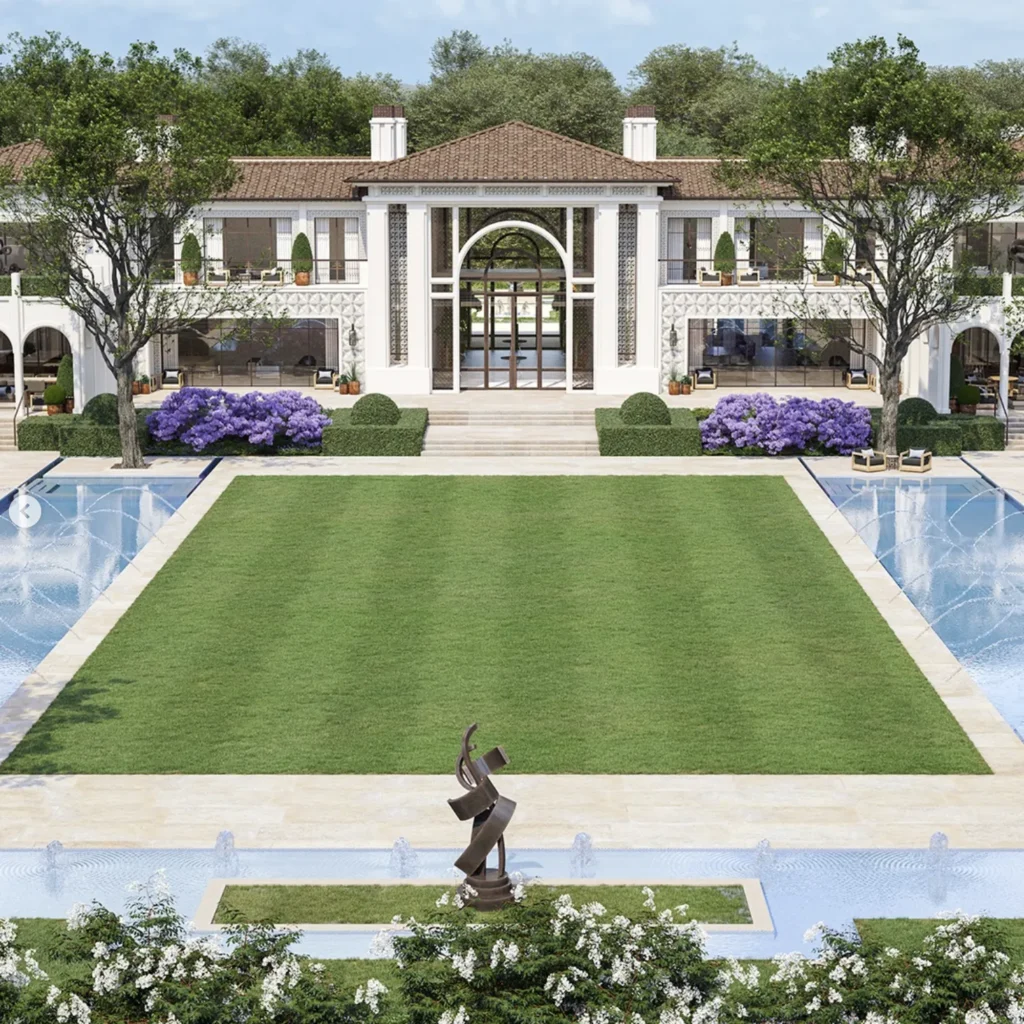
Finally, the design must be appropriate for the physical environment. A formal Mediterranean garden may feel out of place in a rugged mountain setting, while a lush West Coast garden isn’t suitable for arid wine-country conditions. This principle has practical foundations: regional architectural styles evolve in response to local environmental conditions. Materials and design choices reflect both climate and lifestyle.
While climate-appropriate planting is essential, construction methods and materials must also be chosen for environmental durability.
While climate-appropriate planting is essential, construction methods and materials must also be chosen for environmental durability. Certain stones weather quickly in coastal conditions; some paving materials fail under repeated freeze-thaw cycles; and some sites require robust drainage solutions, while others remain dry for much of the year.
The images below illustrate architecture and landscape design that is informed by site and location. The styles of these homes and properties suit their respective environments, but would feel out of place if their settings were reversed.
Conclusion
A landscape should fit the home and its surroundings, feel like it belongs, and reinforce a cohesive architectural story.
Compatibility—in all its forms—plays a foundational role in good design. A landscape should fit the home and its surroundings, feel like it belongs, and reinforce a cohesive architectural story. Materials, colours, textures, and spatial relationships should connect seamlessly to the building, while planting reinforces the aesthetic and responds to the climate.
A landscape that satisfies these criteria is already well on its way to being exceptional.
